


Metro Manila, Philippines – The country posted a higher inflation rate in March triggered by rising transport and food costs, accelerating to 4.1 percent – the highest in almost two years, the Philippine Statistics Authority (PSA) announced on Tuesday, April 7.
In a press briefing, National Statistician Dennis Mapa said the percentage rise in consumer prices was nearly two points higher than the 2.4 percent in February, impacted by escalating tensions in the Middle East.
The latest imprint was the highest since July 2024 at 4.4 percent. It also exceeded the central bank’s target of 2 to 4 percent.
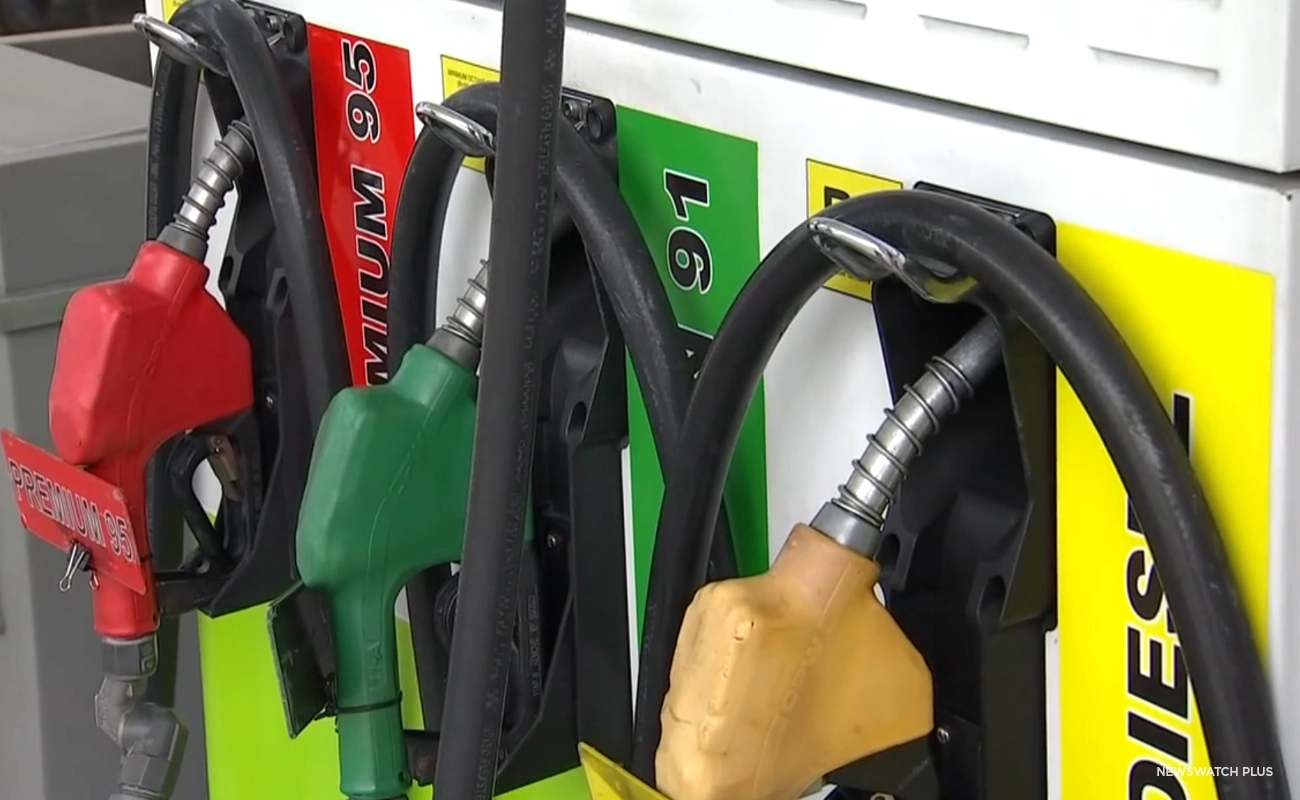
More than half of the uptrend was attributed to surging transport costs, which posted a 9.9 percent inflation rate.
Inflation on fuel products hit double digits at 27.3 percent and 59.5 percent, respectively, the highest since September 2022 at the height of the Russia-Ukraine war.
By region, Metro Manila had an inflation rate of 3.6 percent, while areas outside the capital region were over 4 percent.
Soaring rice prices
Other inflation drivers were food and non-alcoholic beverages, as well as energy costs such as housing, water, electricity, gas, and other fuels.
Rice inflation reversed a contraction and posted a 3.6 percent rise from negative 3.4 in February.
“Buong 12 months of 2025, negative ang inflation rate sa bigas and then the first two months in 2026. We will see kung ano ‘yung kanyang direksyon…Pero iyong risk nya is more on the positive side because of the increase doon sa transportation due to the increase of prices in diesel and gasoline,” Mapa said.
[Translation: During the 12 months of 2025, the inflation rate for rice was negative, and the same applied for the first two months of 2026. We’ll see what direction it will take… But the risk is more on the positive side because of the increase in transportation costs due to higher diesel and gasoline prices.]
Corn, fruits and nuts, other vegetables, flour and bread also saw rising prices.
Mapa said he expects the inflation rate to go higher in April to reflect fuel price spikes.
“We hope that it will be shorter…generally ‘yung expectation natin [our expectation] is that the trend will be high and will continue to go up this month,” he said.
‘Gov’t stands ready’
In a press statement, Arsenio Balisacan, economy, planning, and development secretary, said the government “stands ready to address emerging inflation pressures through strategic, well-targeted, and time-bound intervention, particularly in fuel, transport, and food.”
“The government is firmly committed to ensuring the continuous delivery of services, even as we pursue decisive measures to enhance the resilience of our economy and institutions, carefully balancing short-term relief measures and longer-term considerations toward enabling the economy to recover high growth quickly,” he said.
Balisacan cited some measures, including the expansion of the government’s ₱20 rice program, lower terminal fees for agricultural products, and subsidy for public utility vehicle drivers and other forms of cash assistance.
In March, President Ferdinand Marcos Jr. declared a state of national energy emergency, activating a whole-of-government response to the impact of the Middle East crisis.
He also signed into law a bill that authorizes the chief executive to cut excise tax on fuel, which the government said would take effect by the second week of April.