

Metro Manila (CNN Philippines, August 11) — More businesses were able to secure loans from banks as of July which should help them get back on their feet, the Bangko Sentral ng Pilipinas said Tuesday.
In a statement, the central bank reported a surge in loans granted to micro, small, and medium enterprises or MSMEs since local lenders were allowed to charge fresh loans to their required reserves.
The BSP said 97 banks have granted loans to small firms as of July 23, which pushed the average daily balance of loan take-ups to ₱84.2 billion. In late April, the average daily balance of MSME loans charged to the reserve portfolio was just at ₱9.9 billion.
The central bank allowed banks to tag additional MSME loans granted after March 15 onwards as alternative compliance to reserve requirements, or the amount lenders are supposed to keep intact.
The regulator also reduced the credit risk weight for loans to small firms to encourage banks to lend more to the sector. MSMEs are typically considered risky debtors compared to the more financially stable large companies, which translated to higher interest rates.
The President’s economic team has been calling on banks to make it easier for budding entrepreneurs to secure credit so they have additional capital to revive operations and keep their workers employed after months under lockdown.
The same strategy has been pursued under the Bayanihan to Recover as One Act, which seeks to infuse ₱30 billion additional capital into the state-run Land Bank of the Philippines and ₱15 billion to the Development Bank of the Philippines with hopes that these will translate into additional lending to the MSME sector. Under the bill, loans below ₱3 million should not require a collateral and should come with low interest rates with a three-year payment period.
Small firms account for 99.5 percent of local businesses and generate nearly two-thirds of jobs available, according to the Trade Department.
The eased reserve rules also allowed banks to grant more loans to corporations, with 13 lenders tapping the facility to lend an average of ₱12.3 billion. The loan balance was averaging a mere ₱376 million daily back in June 4 when the rules were first eased, the BSP said.
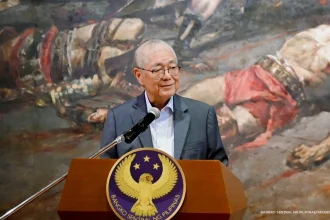
Central bank Governor Benjamin Diokno said this meant that banks continued to grant new loan lines or are refinancing existing borrowings despite the community quarantine. “We see this contributing positively to whole-of-nation efforts to mitigate the economic impact of the health crisis,” Diokno said in the statement.
Most international market watchers have raised concerns about the Philippines’ sharp 16.5 percent economic downfall in the second quarter, but economic managers said this was just temporary. However, Fitch Ratings said that the continued spread of COVID-19 could erode fiscal buffers and prolong the recession beyond what was initially expected.
RELATED: How will small businesses survive in this crisis?
RELATED: Steady rise in COVID-19 cases to hamper quick economic recovery – HSBC